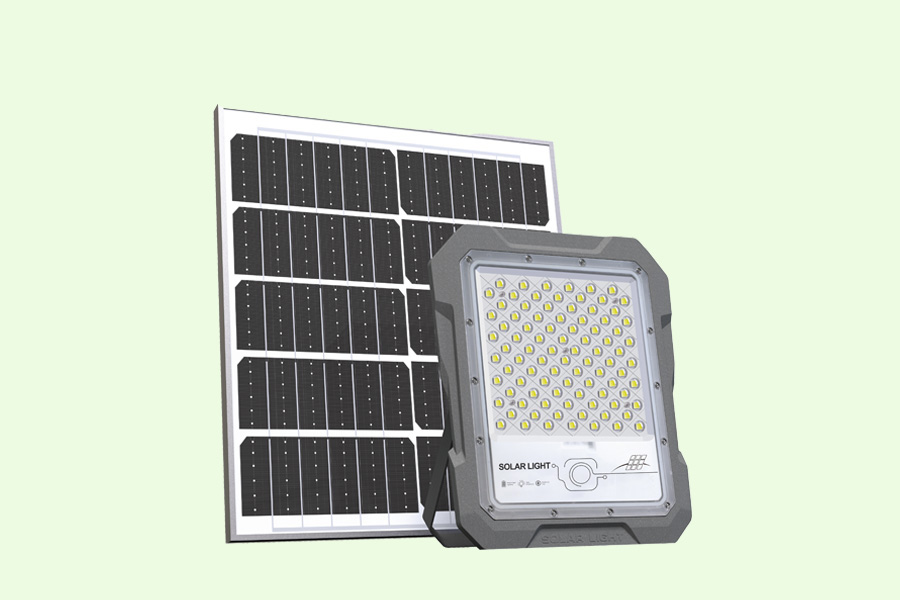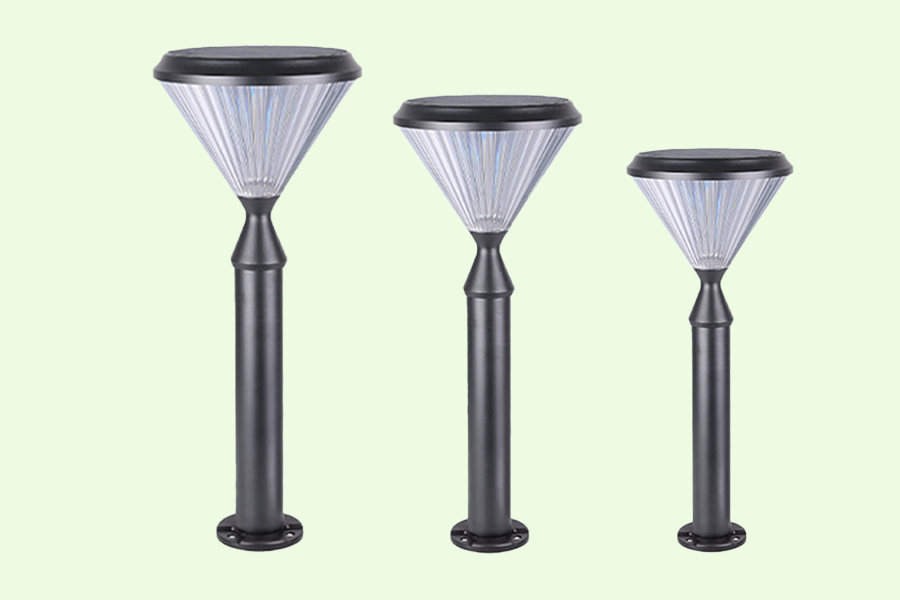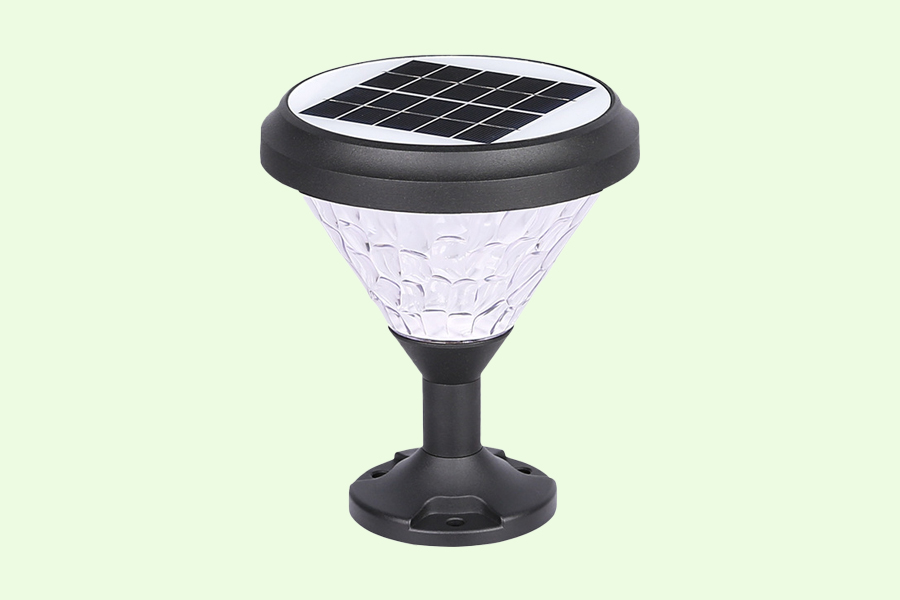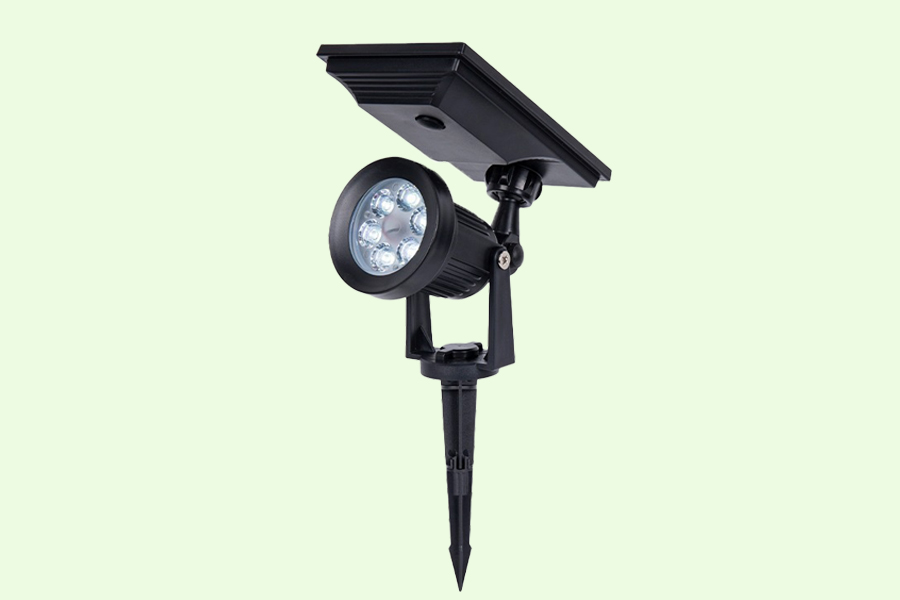

Balancing pedestrian safety with dark-sky compliance is one of the most critical challenges facing municipal planners, real estate developers, and landscape architects today. Traditional grid-powered walkway lighting often leads to unwanted skyglow, intrusive light trespass, high energy consumption, and expensive utility trenching.
For projects aiming for LEED v4.1 certification or striving to meet strict municipal sustainability codes, off-grid Solar Bollard Lights offer an optimal, eco-friendly solution.
In this guide, we break down the key engineering framework for specifying dark-sky compliant pathway lighting that keeps walkways secure without disrupting nocturnal ecosystems.
Core Principles of Dark-Sky Compliant Pathway Lighting
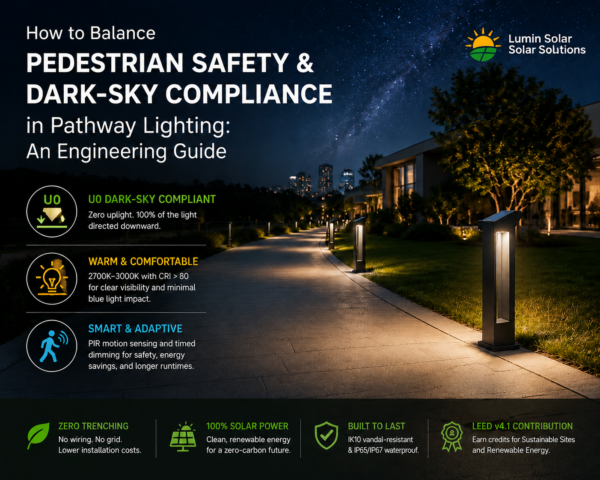
Demand a Strict “U0” BUG Rating (Zero Uplight)
The IES BUG rating system (Backlight, Uplight, Glare) evaluates stray and unwanted light emitted from outdoor fixtures. To prevent atmospheric light pollution and skyglow:
- Always specify pathway fixtures with a U-rating of U0.
- Choose Full-Cutoff or Downcast shielding configurations.
This ensures that 100% of the light output is directed downward onto the pathway, completely eliminating upward spill into the night sky or adjacent private properties.
Optimize Color Temperature (CCT) & Color Rendering
High-CCT cool-white LEDs (5000K–6500K) contain heavy blue light spectrums that scatter easily in the atmosphere and severely disrupt local nocturnal wildlife.
To maintain environmental compliance while providing comfortable visual performance for pedestrians:
- Select warm-spectrum LEDs between 2700K and 3000K.
- Ensure a High Color Rendering Index (CRI > 80) to maintain clear visual clarity and color contrast along walkways at night.
Deploy Adaptive Multi-Mode Dimming Control
Continuous high-output lighting throughout the entire night causes unnecessary glare and energy waste during low-foot-traffic hours. Modern off-grid solar bollards integrate intelligent controllers to offer flexible lighting profiles:
- PIR Motion Sensing: Fixtures remain at an ambient 10% standby mode, instantly ramping to 100% full brightness only when a pedestrian approaches.
- Timed Dimming Schedules: Maintain 100% output during peak evening hours, automatically scaling down to 30% after midnight.
The Business Case: Lower OPEX & Earn LEED v4.1 Credits
Integrating dark-sky compliant solar lighting isn’t just about environmental responsibility—it also makes strong commercial sense:
- Zero Trenching & Wiring Costs: Off-grid solar fixtures eliminate the massive capital expenses, heavy machinery, labor, and site disruptions required to dig trench lines for grid connection.
- Direct LEED v4.1 Contribution: Off-grid solar bollards help projects accumulate credits under Sustainable Sites (Light Pollution Reduction) and Energy & Atmosphere (Renewable Energy Production).
Procurement Checklist: Technical Benchmarks for Solar Bollards
When selecting manufacturing partners for commercial or municipal outdoor lighting projects, ensure the specified fixtures meet these technical requirements:
- Certified Photometric Data: Demand standardized IES files to conduct accurate Dialux light simulations before installation.
- Impact & Ingress Protection: Look for robust IK10 vandal-resistance ratings and IP65/IP67 weatherproofing with high-grade aluminum housing.
- Advanced Battery Chemistry: Ensure the use of LiFePO4 (Lithium Iron Phosphate) batteries to guarantee a 5-to-10-year operational lifespan under demanding temperature variations.
Sustainable Pathway Solutions from Lumin Solar Solutions
At Lumin Solar Solutions, our off-grid architectural bollard series is precision-engineered to maximize ground-level illuminance while adhering strictly to U0 dark-sky standards.
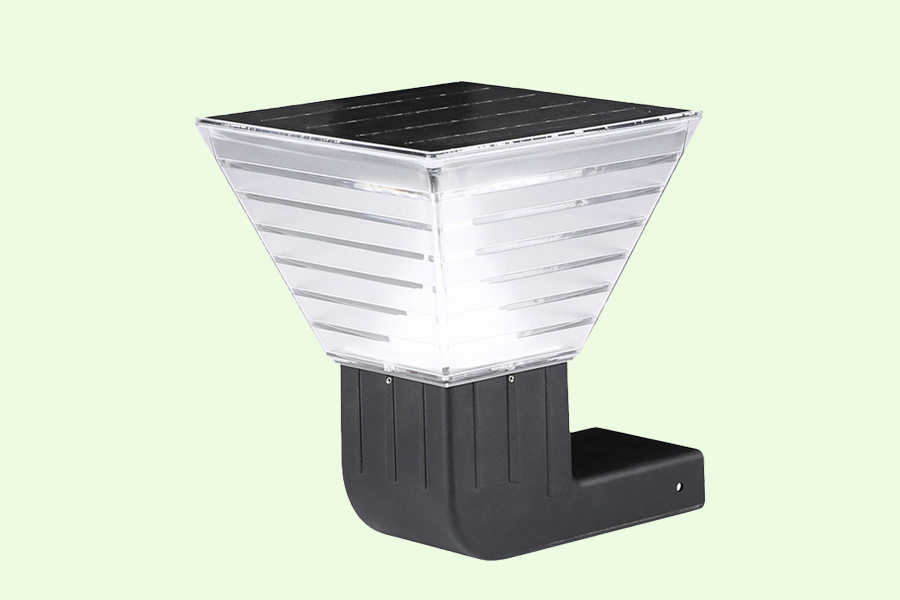
Whether you need sleek architectural designs for modern commercial plazas—such as our Cyrus Diamond and Cyrus Ripple series—or high-output fixtures like the Cyrus Square Pavilion, our solutions deliver zero-maintenance, zero-carbon lighting for modern urban spaces.
Need a Custom Dark-Sky Lighting Layout for Your Project?
Our engineering team provides complimentary Dialux lighting designs and technical consultations for municipal and commercial developers.