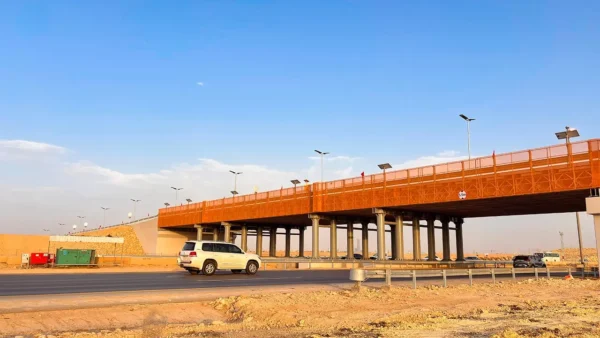
Solar lighting systems have become a cornerstone of sustainable infrastructure for commercial, municipal, and humanitarian projects worldwide. Their promise of off-grid operation, low operational costs, and environmental benefits is compelling. However, a common misconception is that “install-and-forget” applies to these systems. In reality, proactive and regular maintenance is the single most critical factor in ensuring they deliver their promised lifespan, performance, and return on investment (ROI).
Industry data reveals a stark contrast: systems on a structured maintenance program can extend their operational life by 35-50% and improve overall ROI by over 20% compared to neglected ones. This guide provides a comprehensive, actionable maintenance framework tailored for facility managers, municipal engineers, and project stakeholders.
Core Philosophy: From Reactive Fixing to Proactive Care
Effective maintenance isn’t just about repairing what’s broken; it’s about preventing failures. It combines physical upkeep with performance monitoring, adapting to different product types and operating environments.
Part 1: Your Solar Lighting Maintenance Calendar – A Step-by-Step Schedule
Adhering to a regular schedule prevents small issues from becoming costly failures. Here is a practical maintenance timeline.
| Frequency | Component Focus | Key Tasks & Checks |
|---|---|---|
| Daily / Weekly | Remote Monitoring (Smart Systems) | Check system dashboards for alerts, battery voltage trends, and dusk/dawn operation logs. |
| Monthly | Visual Inspection | Walk the site. Look for obvious damage, lighting consistency, dirt accumulation on panels, and verify night-time operation. |
| Quarterly | Solar Panels & Fixtures | Deep clean panels with water and a soft cloth. Check for secure mounting and any shading from new vegetation. Inspect light fixtures for seal integrity and water ingress. |
| Bi-Annually | Battery & Structure & Sensors | Test battery voltage under load. Tighten all structural bolts and brackets. Clean and re-calibrate motion/PIR sensors to prevent false triggers or non-detection. |
| Annually | Comprehensive System Audit | Perform a full performance review. Analyze year-long data. Plan for any potential component upgrades (e.g., battery health check) for the coming year. |
Part 2: Specialized Maintenance for Advanced Product Lines
Different applications demand specific maintenance attention beyond the basics.
1. Vandal-Resistant Solar Lights
These lights are built tough, but their defenses need checking.
- Focus: Physical Integrity.
- Tasks: Inspect tempered glass covers for cracks. Check special anti-tamper fasteners for signs of attempted removal. Ensure protective cages or housings are not bent or obstructing the light output.
2. Smart Lighting Control Systems
Maintenance here is as much about software as it is about hardware.
- Focus: Data Integrity & System Intelligence.
- Tasks:
- Firmware Updates: Install manufacturer-released updates for controllers to improve functionality and security.
- Communication Check: Verify signal strength for cellular (4G/NB-IoT) or wireless networks. Confirm data plans for SIM cards are active.
- Strategy Optimization: Review and adjust lighting schedules, dimming levels, and sensor sensitivity based on seasonal usage patterns logged in the platform.
3. Solar Street Lights with Integrated Surveillance
This is a hybrid electro-optical system where lighting and security are equally critical.
- Focus: Dual-System Reliability.
- Specialized Tasks:
- Camera Lens Cleaning: Clean the camera dome/lens monthly or weekly in dusty environments to maintain image clarity.
- Storage Media Management: Check the health and available capacity of SD cards or onboard storage. Schedule regular backups or reformatting.
- Power Priority Verification: Ensure the surveillance system has power priority in the controller settings, so cameras remain operational even if lighting dims to conserve battery.
- Field of View Audit: Ensure no new obstructions (like tree branches or signs) are blocking the camera’s view.
Part 3: The Quantifiable Value of Maintenance: Evidence from the Field
Theory is good, but data convinces. Let’s look at two comparative scenarios.
Case Study A: Municipal Pathway Lighting
- Area 1 (No Scheduled Maintenance): After 3 years, average illuminance dropped by 40%. Failure rates increased 15% year-over-year, leading to disruptive emergency repairs and premature battery replacements.
- Area 2 (Structured Maintenance Program): After 3 years, system performance remained above 85% of initial output. A single, scheduled battery replacement was performed during a low-impact daylight hour.
- Bottom Line: Over a 5-year period, the total cost of ownership (initial + maintenance) for Area 2 was 30% lower than for Area 1.
Case Study B: A Smart Commercial Parking Lot
- The Alert: The remote monitoring platform flagged a cluster of lights operating at 100% brightness all night.
- Diagnosis: Cross-referencing data ruled out controller failure. A site visit revealed a thick layer of pollen and dust completely covering the photocell, tricking it into perpetual “night mode.”
- Action & Value: A remote work order was issued for cleaning. The issue was resolved within 48 hours. This prevented weeks of wasted energy, potential battery damage, and saved an estimated $200 in unnecessary energy and potential repair costs from a single, small event.
Conclusion: Maintenance as a Strategic Investment
Viewing maintenance as a mere expense is a critical error. For solar lighting systems—especially advanced, high-value installations for commercial, municipal, and security applications—it is a non-negotiable strategic investment.
A disciplined approach protects your capital expenditure, ensures continuous reliable service, and maximizes the sustainability benefits of your project. It transforms your solar lighting system from a commodity product into a resilient, long-term infrastructure asset.
Your Next Step: Review your solar assets. Categorize them by product type and criticality. Use the calendar and specialized guides above to build your own maintenance plan. And remember, you are not alone—utilize the resources and expertise of your technology partner.
Resources & Support from Lumin Solar Solutions
- Product-Specific Guides: Find detailed technical manuals and maintenance videos for each product series on our Products pages.
- Technical Support Hub: Access troubleshooting trees, error code explanations, firmware downloads, and submit service tickets.
- Deep Dive Reads on Our Blog:
By implementing a proactive maintenance strategy, you ensure that your investment in solar lighting continues to pay dividends in safety, sustainability, and savings for years to come.