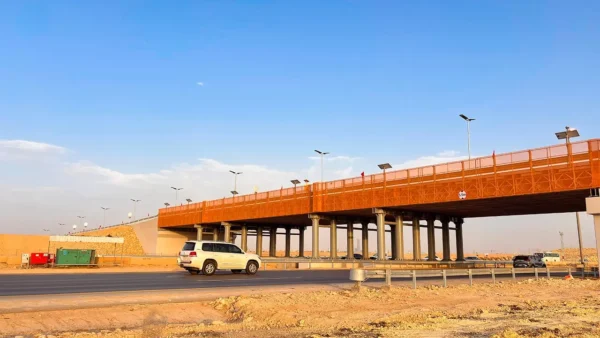
As cities and commercial districts continue to expand, urban lighting has become a critical component of modern infrastructure. Municipal authorities and commercial developers alike are under increasing pressure to reduce energy consumption, control operating costs, and meet sustainability targets—without compromising safety or performance.
In this context, solar street lights have evolved from niche alternatives into a proven, large-scale lighting solution for both commercial and municipal urban environments.
Growing Demand for Solar Street Lighting in Urban Environments
Traditional grid-powered street lighting systems rely heavily on centralized electrical infrastructure. While effective, they often involve high energy costs, complex installation, and long-term maintenance challenges—particularly in densely populated or rapidly developing urban areas.
Solar street lighting systems, combining high-efficiency LED technology with independent solar power generation, offer a decentralized and scalable approach. This makes them increasingly attractive for:
- Municipal road networks and public spaces
- Commercial parks, parking lots, and industrial zones
- Urban expansion areas where grid access is limited or costly
1. Energy Efficiency and Measurable Cost Reduction
One of the most direct advantages of solar street lights is their ability to operate without consuming grid electricity.
- From a technical standpoint: LED light sources typically achieve 60–70% higher luminous efficiency compared to traditional high-pressure sodium or metal halide lamps.
- From a cost perspective: Solar-powered systems eliminate ongoing electricity costs entirely. Conventional street lights generate recurring energy expenses over a 10–20 year lifecycle, whereas solar lights convert energy on-site.
This measurable reduction in operational expenditure is a key driver behind adoption in both public and private urban projects.

2. Lower Total Cost of Ownership (TCO)
While the initial investment may be comparable, the Total Cost of Ownership (TCO) for solar street lights is significantly lower.
Key TCO considerations include:
- No underground cabling, transformers, or distribution cabinets
- Reduced labor and civil engineering costs
- Lower maintenance frequency due to long-life LED modules
Over a typical 15–20 year service life, solar street lights can reduce overall lighting-related costs by 30–50%, offering long-term financial predictability for municipal budgets and commercial developers.
3. Off-Grid Reliability
Solar street lights operate as fully off-grid systems, storing energy in integrated battery units. This independence enhances reliability by ensuring:
- Continuous operation during grid outages
- Stable lighting in regions with unreliable power supply
- Improved resilience during extreme weather events or emergencies
This supports public safety for municipalities and ensures operational continuity for commercial sites.
4. Faster Deployment & Reduced Construction Complexity
Urban projects face tight schedules. Traditional lighting requires trenching, cabling, and utility coordination, often causing delays.
Solar street lights simplify deployment:
- No excavation for electrical wiring
- Minimal impact on surrounding infrastructure
- Shorter installation timelines (can be 40–60% faster)
This makes them ideal for new developments and retrofit projects.

5. Smart Lighting Controls
Modern solar street lighting systems integrate smart control technologies for optimized performance.
Common features include:
- Motion sensors that increase brightness only when activity is detected
- Time-based dimming profiles during low-traffic hours
- Remote monitoring for maintenance planning
These controls further reduce energy consumption, extend battery life, and support smart city initiatives.
6. Improved Safety, Visibility, and Urban Functionality
Lighting quality directly impacts urban safety and usability. Solar street lights with LED technology provide:
- Uniform illumination and reduced glare
- Consistent color temperature for improved visibility
- Enhanced nighttime safety for vehicles and pedestrians
In commercial areas like parking lots, reliable lighting also contributes to reduced accident rates and improved security.
7. Sustainability and ESG Alignment
Sustainability is now a core requirement. Solar street lighting supports environmental objectives by:
- Eliminating operational carbon emissions
- Reducing dependence on fossil-fuel-based electricity
- Supporting long-term green infrastructure planning
This aligns with municipal development goals and corporate ESG (Environmental, Social, and Governance) indicators.
8. Durable and Vandal-Resistant Design
Urban fixtures must withstand challenging environments. Modern solar street lights are designed with:
- Weather-resistant enclosures (typically IP65 or higher)
- Impact-resistant materials
- Integrated, tamper-resistant structures
This durability reduces maintenance and ensures performance in high-traffic areas.
Typical Urban Applications of Solar Street Lights
Solar street lighting is widely deployed across diverse settings:
- Municipal roadways and intersections
- Commercial and industrial parks
- Public squares and pedestrian walkways
- Parking lots and transit access areas
- New urban developments and temporary installations
Conclusion: A Proven Urban Lighting Solution
Solar street lights are mature, reliable, and economically viable solutions for today’s urban lighting challenges. By combining energy efficiency, operational reliability, and long-term cost advantages, they effectively meet the needs of both municipal authorities and commercial developers.
About Lumin Solar Solutions:
As a provider focused on Commercial & Municipal Solar Lighting Products and Solutions, Lumin Solar Solutions supports urban projects with engineered solar lighting systems designed for performance, durability, and sustainable growth.